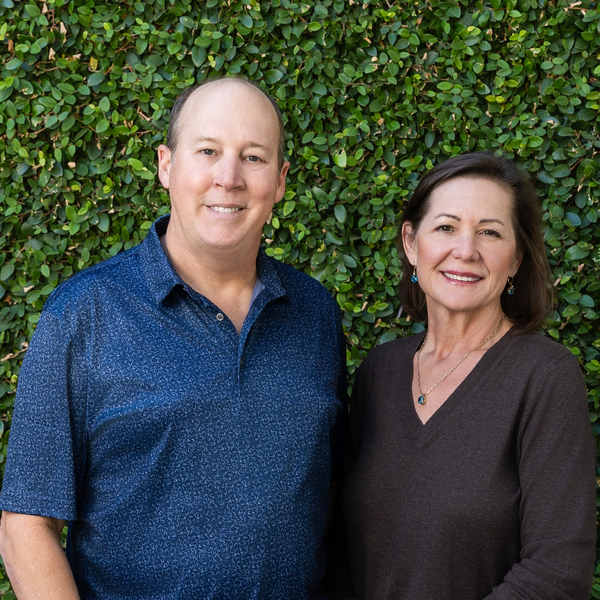
For as long as we have been in the business, there have been scams in real estate. In the "good old days," these were primarily limited to scammers appropriating listing photos and posting fake rental listings for those same properties on Craigslist. We will never forget the call from the nice sounding woman who was waiting outside "our rental listing" for her showing appointment. We quickly explained that she had been scammed, our listing was not for rent, and to PLEASE be very careful given the unknown intentions of the scammer.
It didn't take long before scammers realized that real estate transactions involve large sums of money. Hence was born a new breed of criminals masquerading as escrow officers - sending fake wiring instructions to redirect a buyer’s funds at the last moment. As a result, we have at least four disclosures in any given transaction that warn of this and we always strongly urge our clients to confirm all wire instructions by calling their escrow officer directly. Oh, and for the record, the wire instructions should never change at the last moment! Ever.
The latest fast‑growing form of identity theft is now targeting licensed real estate agents themselves. Scammers are creating convincing agent impersonation profiles online - complete with fabricated websites, polished social media accounts, and even AI‑generated headshots - to pose as legitimate professionals. They use real agents’ names, license numbers, brokerage details, and marketing language, then use these counterfeit identities to approach unsuspecting buyers and sellers.
The goal is simple: gain trust quickly, then exploit it. Some fraudsters push fake off‑market listings, others request upfront “application fees,” and some attempt to insert themselves into a transaction to divert deposits or sensitive information. Because these profiles look polished and professional, victims often don’t realize anything is wrong until money has changed hands. This trend is especially dangerous in competitive markets like ours. A fraudulent message that appears to come from a reputable agent can feel like a lucky break - when in reality, it’s a setup.
To combat this, we encourage clients, friends, and referrals to always reach out to us directly using known or easily verified means of contact. Our signature block at the end of this newsletter is a great place to start!
* I generated the fake image above from scratch using Microsoft Copilot in about 2 minutes. It is a bit scary actually...and the guy has hair!