Hmmm, what’s this all about? Allow me to explain.
The apartments that I show my clients falls into two main categories: Pre- and post-war residences (from the 1920s all the way through the 1980s) as well as newer to just-completed residences (1990s to this very minute). Older buildings frequently offer larger layouts with more character – including entry halls that are ideal for photos and artwork, alcoves that would welcome a library, or kitchens big enough for a breakfast nook.
And yet, I sometimes hear this comment from buyers: “There’s so much wasted space.”
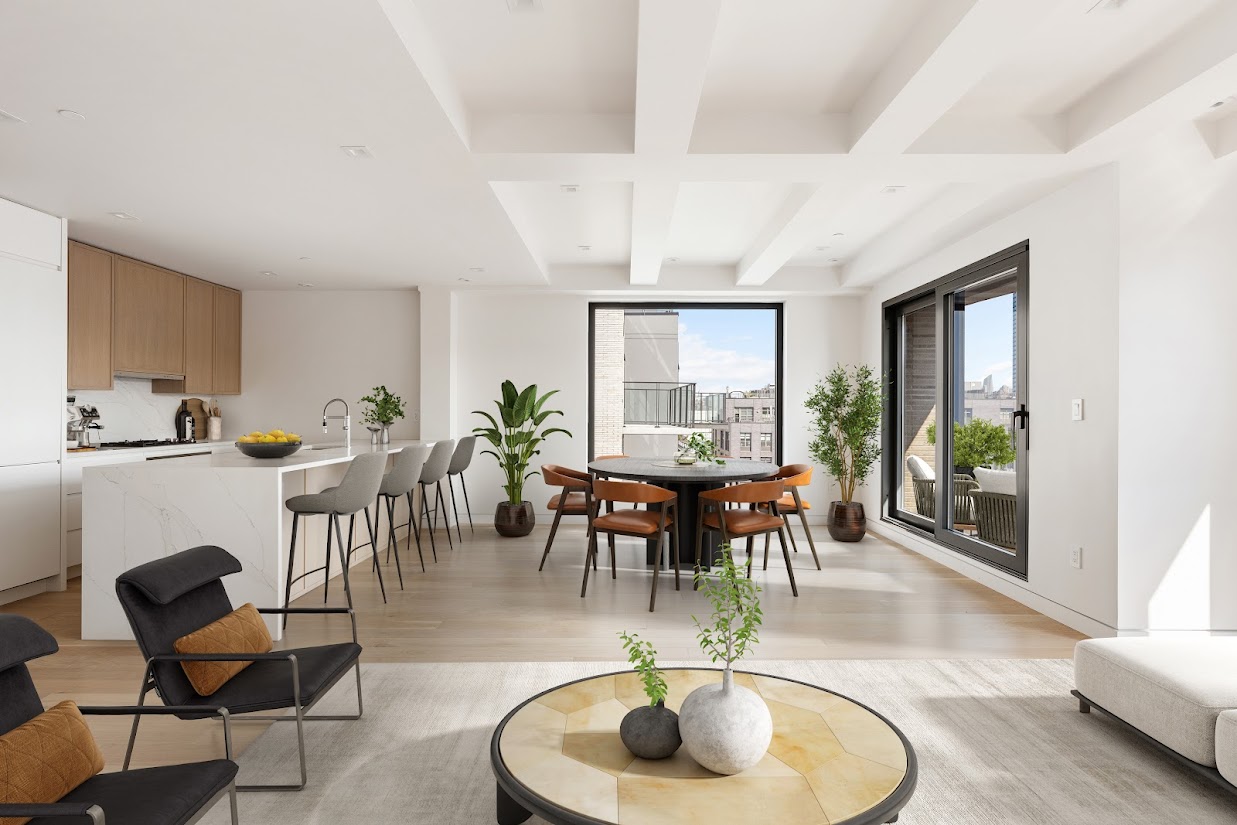
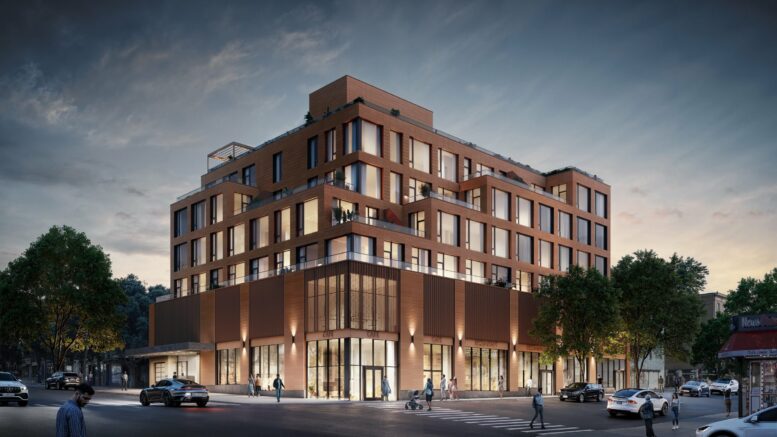
For many of my clients, “wasted space” is the luxury they’ve been dreaming about. It’s a promise of living life to the fullest in a gracious building that’s been around for a number of years. But here’s the timely flip-side: many home-seekers are willing to sacrifice extra square footage for a sparkling, brand-new building - where smaller, ultra-efficient residences are enhanced by a big list of amenities like giant gyms, swimming pools, plush gathering rooms and landscaped rooftops.
In this era of efficiency experts like Marie Kondo - as well as the buzz about tiny home living – it’s no surprise that “less is more” for many people. New and streamlined apartments certainly have their seduction powers. But let’s give an equal-opportunity salute to the creative potential and breathing room of larger apartments in older buildings, often delivering an extra 200 to 400 square feet in a two-bedroom unit. “Wasted space”? Anything but!
Wow, Summer is begrudgingly giving way to Fall. I hope you had many moments of relaxation and discovery. It’s certainly been an eventful time for me and my family. Allow me to introduce my beautiful son Joshua Bear Rubinstein, born August 8th.