2026 Housing
Market Outlook
Our Housing Market Outlook is here to help you navigate a market that isn’t always easy to interpret. By examining the latest data, economic conditions, and emerging trends, we share our predictions for the year ahead to help you make more confident housing decisions.

By submitting this form you agree that Compass, its affiliates including affiliated real estate agents, or associated third parties may contact you, including with calls or texts by automated means. You also agree to our Terms of Service and Privacy Policy. Message/data rates may apply. Message frequency varies. Text 'Help' for Help. Consent is not a condition to access real estate services.
A New Housing
Market
Era
Emerges in 2026
2026 marks a step toward “normal.” After four years of pandemic-driven extremes — including frozen migration, volatile mortgage rates, major affordability challenges, and uneven supply across regions — the U.S. housing market enters a new era.
In this next phase, home sales are positioned to meaningfully grow again and affordability starts to improve as home prices level out and mortgage rates come down. Many of the unusual dynamics of the early 2020s are beginning to fade: mobility is slowly picking up, inventory is normalizing in many regions, and buyers and sellers are resetting their expectations after years of dramatic changes.

Four Signals to
Watch in 2026
Inventory
Nationally, buyers could benefit from 10% growth in the number of homes on the market, bringing more options and improved affordability.
Home Prices
Home prices are expected to rise modestly by 0.5% while incomes grow faster—conditions that would improve affordability.
Mortgage Rates
Mortgage rates are expected to trade in a range of 5.9%-6.9%, with an average of about 6.4% for the year, offering buyers a more favorable financing environment.
Home Sales
Home sales could reach 4.25 million, a 5% increase from 2025, as lowering rates and growing inventory draw more buyers back to the market.

The Shift Toward
Improving Affordability

After years of affordability challenges, the housing market is entering a new phase of improved affordability, not through a dramatic price correction, but through an extended period of flat home prices, rising incomes, and gradually falling mortgage rates.
Affordability
Improves in 2026
Price to Income Ratio
Source: Compass, Altos Research, US Census • Estimates for 2025 and 2026 incomes and 2026 home prices

“The Great Stay”
Begins to Thaw
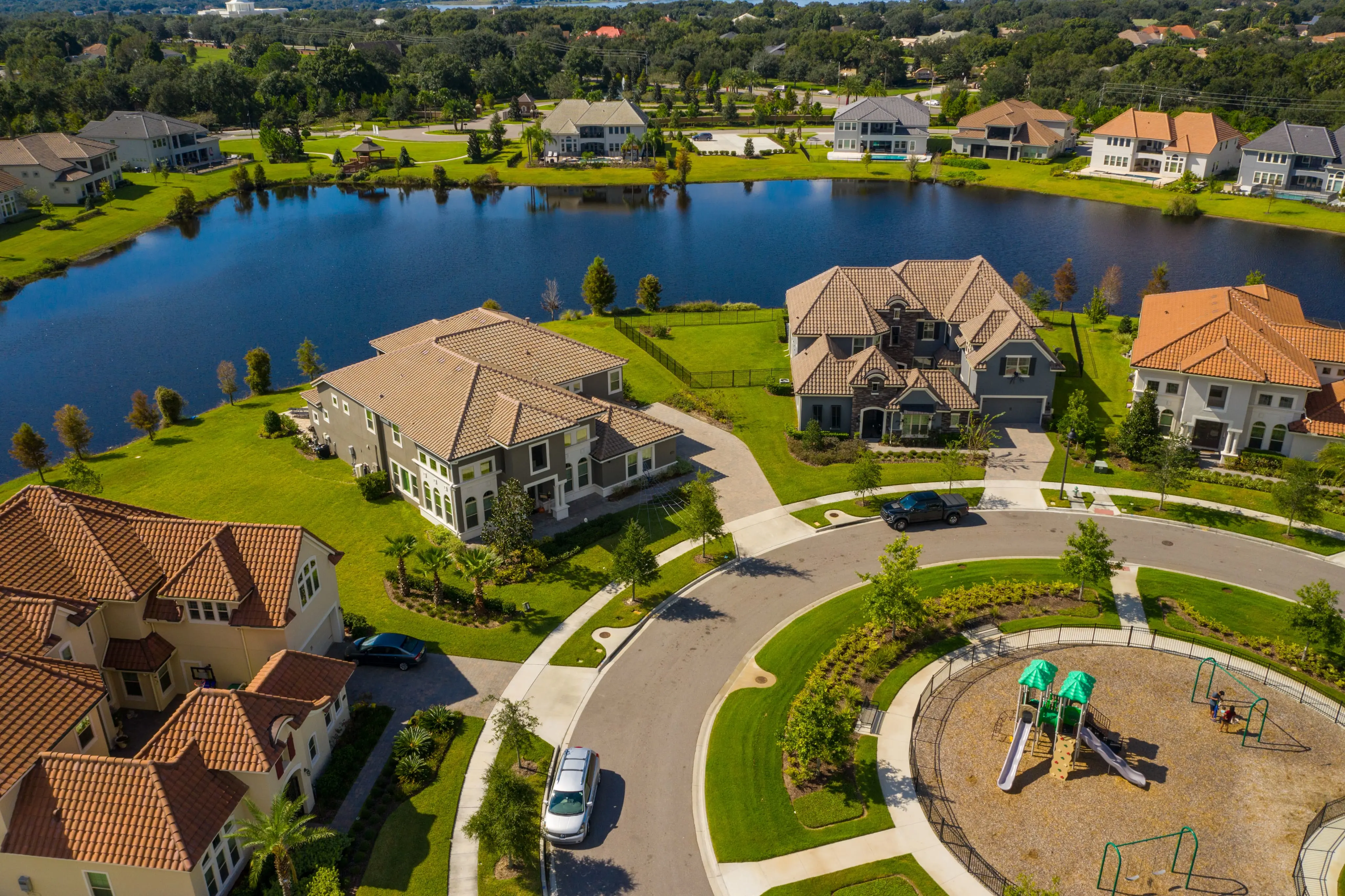
Since 2022, Americans have been moving far less than usual, and that shift has reshaped migration patterns and housing inventory nationwide. This period of frozen mobility, known as “The Great Stay,” forced many potential buyers and sellers facing economic uncertainty and diminished affordability to delay their plans to move.
But signs of a thaw are beginning to emerge: the mortgage rate lock-in is fading, more homeowners are looking to move, and work-from-home has endured allowing for greater mobility.
Where Homes Are
Selling Fast, and
Where
Buyers Have More Time
Days on Market by State
Source: Altos Research, Compass • Average days on market, single family homes in contract. Data as of Nov 14, 2025

“The market is shifting toward a new era where incomes rise faster than home prices and the deep freeze of the last few years begins to thaw. After years of delay, anyone looking to make a move should finally see greater opportunities to take the leap.”
— Mike Simonsen, Compass Chief Economist

An Economy Divided
by Geography and
Prosperity

Divergent economic conditions will continue to shape market behavior in uneven ways. Inventory levels vary sharply nationwide, with buyers and sellers facing different conditions depending on their local market challenges. Additionally, the gap between wealthier households and financially pressured buyers will continue to be one of the biggest forces shaping the market.
Shadow Inventory
and Shadow Demand
The data reveals pent-up activity waiting for the right conditions. By November 2025, nearly 60% of listings were being withdrawn, signaling a large group of sellers who were ready to move but ultimately held back, creating a high volume of “shadow inventory.”
At the same time, purchase mortgage applications were up 15-25% year-over-year, while sales rose only 2-4%. Buyer interest far outpaced closed sales, contributing to rising “shadow demand.”
Withdrawn Listings as a Percent
of New Listings (Monthly)
Source: Altos Research, Compass • Average days on market, single family homes in contract. Data as of Nov 14, 2025

150K
The estimated number of additional homeowners interested in selling their home when market conditions improve based on listings withdrawn in 2025.

The Big Picture
After four years of frozen mobility and affordability challenges, the U.S. housing market is turning a corner. Home prices are expected to flatten, mortgage rates should ease modestly, and sales activity is positioned to grow for the first time since the pandemic. Affordability will improve gradually as incomes rise faster than prices, not through dramatic correction, but through steady rebalancing.

Navigating
What’s Next
Get the Report
Download our full 2026 Housing Market Outlook report with detailed analyses and forecasts.
Information submitted here is used solely to add you to the Compass Intelligence newsletter. Frequency may vary. Opt out at any time by clicking the unsubscribe link at the bottom of the newsletter.
By submitting this form you agree that Compass, its affiliates including affiliated real estate agents, or associated third parties may contact you, including with calls or texts by automated means. You also agree to our Terms of Service and Privacy Policy. Message/data rates may apply. Message frequency varies. Text 'Help' for Help. Consent is not a condition to access real estate services.